
Foot Drop Treatment in Sugar Land That Gets You Walking Steady Again
We treat the cause of your foot drop, not just the symptom
Foot drop is a symptom, not a diagnosis. It can come from the peroneal nerve, a pinched nerve in the lower back, an injury, or diabetes. Most patients get handed a brace and sent home. Dr. Khan goes further: he pinpoints the exact cause and treats it directly, from targeted nerve surgery to tendon transfer, so you can stop managing the problem and start correcting it.
Foot drop care most practices cannot offer
Triple Board-Certified Surgeon
Dr. Khan holds the DPM, FACFAS, and FACPM credentials and has built his career on the complex nerve and foot conditions other practices refer out.
A Foot Drop Specialist, Not a Generalist
Dr. Khan is one of the few surgeons in the world who focuses on rapidly restoring the motion lost to foot drop. This is the condition he is known for.
Options Beyond a Brace
From nerve decompression and grafting to targeted nerve transfer, Dr. Khan offers procedures that can restore function when bracing alone is not the answer.
A Real Diagnosis, Not a Guess
You get a clear answer on what is causing your foot drop and an honest plan to treat it, not a rushed visit and a one-size-fits-all referral.
Foot drop and the nerve conditions behind it
Foot Drop
Difficulty lifting the front of the foot that leads to dragging, tripping, and falls. Dr. Khan treats the cause, not just the symptom, to restore a steadier stride.
Peroneal Nerve Injury
Damage or compression of the peroneal nerve is a leading cause of foot drop, and it is often treatable once correctly identified.
Pinched Nerve in the Lower Back
A compressed L5 nerve root can weaken the muscles that lift the foot. Pinpointing it is key to choosing the right treatment.
Diabetic Nerve Pain
Burning, numbness, and tingling from diabetic neuropathy, managed with nerve-focused care that protects your mobility.
Complex Regional Pain Syndrome
Severe, lasting pain after an injury or surgery, treated with advanced options when standard care has not worked.
Traumatic Foot & Ankle Injuries
Sprains, fractures, and dislocations that need prompt, expert treatment to prevent lasting problems and restore mobility.
Non-Healing Wounds
Diabetic ulcers and slow-healing foot and ankle wounds, treated to lower infection risk and support safe healing.
Chronic Nerve Pain
Long-standing nerve pain that has not responded to other treatment, addressed with nerve surgery and neuromodulation.
Foot drop treatments, matched to the cause
Nerve Repair & Decompression
Relieving pressure on a compressed nerve or repairing a damaged one so signals can reach the muscles that lift the foot.
Tendon Transfer
Rerouting a working tendon to take over the job of lifting the foot, restoring a more natural stride.
Nerve Grafting
Using healthy nerve tissue to bridge a damaged or severed nerve and restore function to the affected area.
Targeted Nerve Transfer (TNT)
An advanced technique that redirects a healthy nerve to bypass an injured one, which Dr. Khan uses to help restore movement in foot drop.
Bracing & AFO Support
An ankle-foot orthosis and supportive therapy to stabilize the foot and improve walking while the cause is treated.
Neuromodulation Therapy
Calming overactive nerve signals to ease chronic pain that has not responded to other treatment.
Real reviews from real patients

Dr. Arshad A. Khan
Dr. Khan is a triple board-certified podiatric surgeon with a reputation built on one of the hardest problems in the field: foot drop. He has pioneered procedures to correct it at the source, using nerve harvesting and nerve rerouting to restore both function and sensation.
He is recognized as one of the few surgeons in the world able to rapidly restore motion for patients with foot drop, and he brings that same expertise to diabetic nerve pain and complex foot and ankle reconstruction. His approach is direct: find the real cause, and get you back on your feet.
Getting started is simple
Book Your Visit
Request an appointment online or call 281-673-4360.
Meet Dr. Khan
Get a thorough evaluation to find what is causing your foot drop.
Start Your Recovery
Begin a treatment plan built around restoring your mobility.
Frequently asked questions
What causes foot drop?
Foot drop is usually caused by damage or pressure on the peroneal nerve, a pinched nerve in the lower back (L5), or an injury that affects the nerves and muscles that lift the foot. It can also be linked to diabetic nerve damage or certain neurological conditions. Because the causes differ, an accurate diagnosis comes first.
Can foot drop be treated without surgery?
In many cases, yes. Depending on the cause and severity, foot drop may be managed with bracing, physical therapy, and treatment of the underlying nerve problem. Surgery is considered when nerve damage is more severe. Dr. Khan recommends the least invasive option that fits your situation.
Does Dr. Khan treat foot drop in Sugar Land?
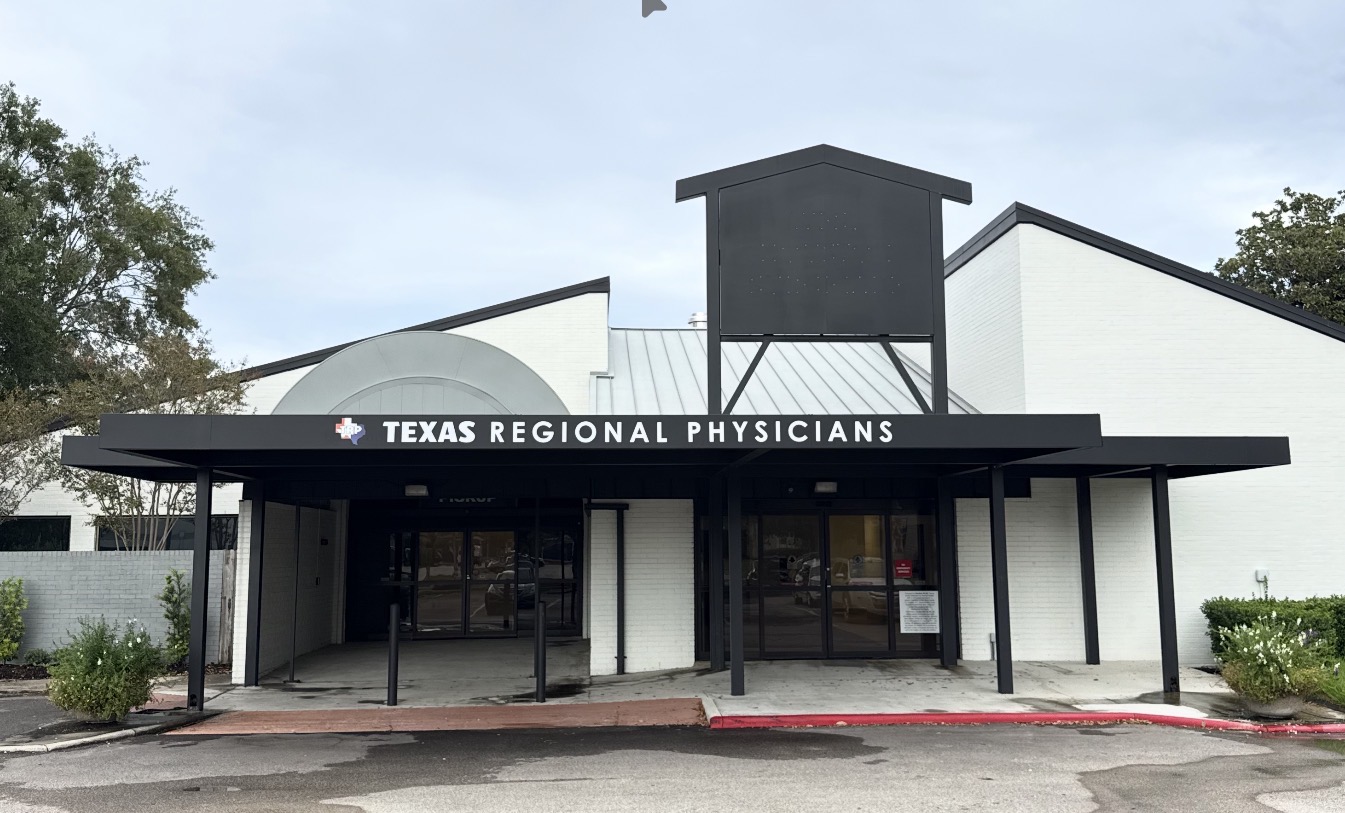
Yes. Dr. Arshad Khan sees patients at Texas Regional Physicians and serves Sugar Land and the Greater Houston area. Call 281-673-4360 or request an appointment online to schedule a consultation.
What surgical options are available for foot drop?
Advanced options can include nerve repair, nerve grafting, tendon transfer, and Targeted Nerve Transfer (TNT), a technique that reroutes a healthy nerve to help restore movement. The right approach depends on the cause and how long the foot drop has been present.
Do you accept my insurance?
Texas Regional Physicians accepts most major insurance plans. Contact the office at 281-673-4360 and the team will verify your coverage before your visit.
Foot Drop Care in Sugar Land, TX
If your foot catches, slaps, or drags when you walk, you do not have to live with it, and you do not have to accept a brace as your only option. Foot drop is the loss of the ability to lift the front of your foot, and it often shows up as tripping on flat ground, a slapping sound when the foot lands, or having to lift your knee higher than normal just to clear your toes.
Foot drop is a symptom, not a diagnosis, and it has several possible causes. The most common is damage or compression of the peroneal nerve near the knee, but it can also come from a pinched L5 nerve root in the lower back, a past injury or surgery, diabetic nerve damage, or a neurological condition. Because the cause decides the treatment, getting the diagnosis right is the most important step, and it is the one too many patients skip.
At Texas Regional Physicians in Sugar Land, Dr. Arshad Khan evaluates the nerve, muscle, and spine causes behind your foot drop before recommending anything. From there he builds a plan around the least invasive option that can restore your mobility, whether that is bracing, physical therapy, nerve treatment, or surgery.
That accurate diagnosis is the difference between managing foot drop for years and actually correcting it. If you are ready for real answers, request an appointment or call 281-673-4360.

Advanced Nerve Treatment Most Practices Do Not Offer
When foot drop comes from nerve damage, a brace can help you walk, but it does not treat the cause. Dr. Khan is one of the few surgeons in the world who focuses on restoring the motion lost to foot drop at its source, using techniques most practices simply do not perform.
Depending on the cause, his approach can include nerve decompression to relieve pressure on a trapped peroneal nerve, nerve grafting to bridge a damaged nerve, and tendon transfer to give the foot a new way to lift. For the right patient, he also performs targeted nerve transfer, or TNT, an advanced procedure that reroutes a healthy nerve to bypass an injured one and restore the signal to the muscles that lift the foot.
For chronic nerve pain that has not responded to other care, neuromodulation can quiet the overactive signals that other treatments leave behind. Dr. Khan has also pioneered work in nerve harvesting and nerve rerouting, restoring both function and sensation for patients who were told nothing more could be done.
These are options very few surgeons in the country offer, and they can change the outcome for someone who has lived with foot drop for months or years. To find out which approach fits your situation, schedule an evaluation with Dr. Khan.

Convenient Care Close to Sugar Land
Dr. Khan sees patients at Texas Regional Physicians, serving Sugar Land, Missouri City, Stafford, and the Greater Houston area. If foot drop has been slowing you down, expert nerve and foot care is closer than you think.
The practice accepts most major insurance plans and makes it easy to get in quickly, so you are not waiting weeks for an answer. Your first visit focuses on one thing: understanding exactly what is causing your foot drop, so you can start the right treatment without wasted time.
You do not need to have exhausted every other option to be seen, and you do not need a diagnosis already in hand. If your foot is dragging, catching, or feeling weak, that is reason enough to be evaluated by a specialist who treats this condition.
Call 281-673-4360 or request an appointment online, and take the first real step toward walking with confidence again.
Ready to get back on your feet?
Book an evaluation with Dr. Khan and find out exactly what is causing your foot drop, and how to treat it.